Ushering in an Era of Surgical Strikes: The Rise of Laser-Guided Missiles
In the dynamic landscape of modern warfare, precision is paramount. Gone are the days when widespread devastation was an unavoidable consequence of military engagement. Today, thanks to advancements like the laser-guided missile, military forces can achieve unparalleled accuracy, minimizing collateral damage and maximizing strategic impact. Known in Turkish as Lazer Güdümlü Füze, this sophisticated technology represents a significant leap forward in guided munitions, transforming how conflicts are prosecuted and offering a critical advantage in sensitive operational environments.
A laser-guided missile system is a sophisticated weapon that leverages focused laser beams to steer munitions towards their intended targets with extraordinary accuracy. Unlike conventional, unguided ordnance that relies on ballistic trajectories, these missiles possess the ability to strike a specific point with near-millimetric precision. This capability is invaluable, especially when operations occur near civilian populations or critical infrastructure, where the risk of unintended harm must be meticulously mitigated. The advent of Lazer Güdümlü Füze technology has fundamentally reshaped military doctrine, prioritizing surgical strikes over indiscriminate force, thereby preserving lives and valuable assets while achieving mission objectives.
The Ingenious Mechanics Behind Precision: How Lazer Güdümlü Füze Systems Operate
The operational principle behind laser-guided missiles, often referred to as Semi-Active Laser Homing (SALH), is a testament to ingenious engineering. Crucially, the missile itself does not emit the laser; instead, it tracks laser energy reflected off the target from an external source. This "semi-active" nature distinguishes it from systems that carry their own laser emitters or passively home in on target emissions. The process unfolds through a series of synchronized steps, ensuring the missile stays locked onto its objective:
- Target Illumination: The sequence begins with a laser designator, which can be operated by ground troops, an aircraft, or an unmanned aerial vehicle (UAV). This designator projects an invisible or visible laser beam onto the target. As the laser strikes the target's surface, it creates a unique "laser spot" that acts as a beacon for the incoming munition.
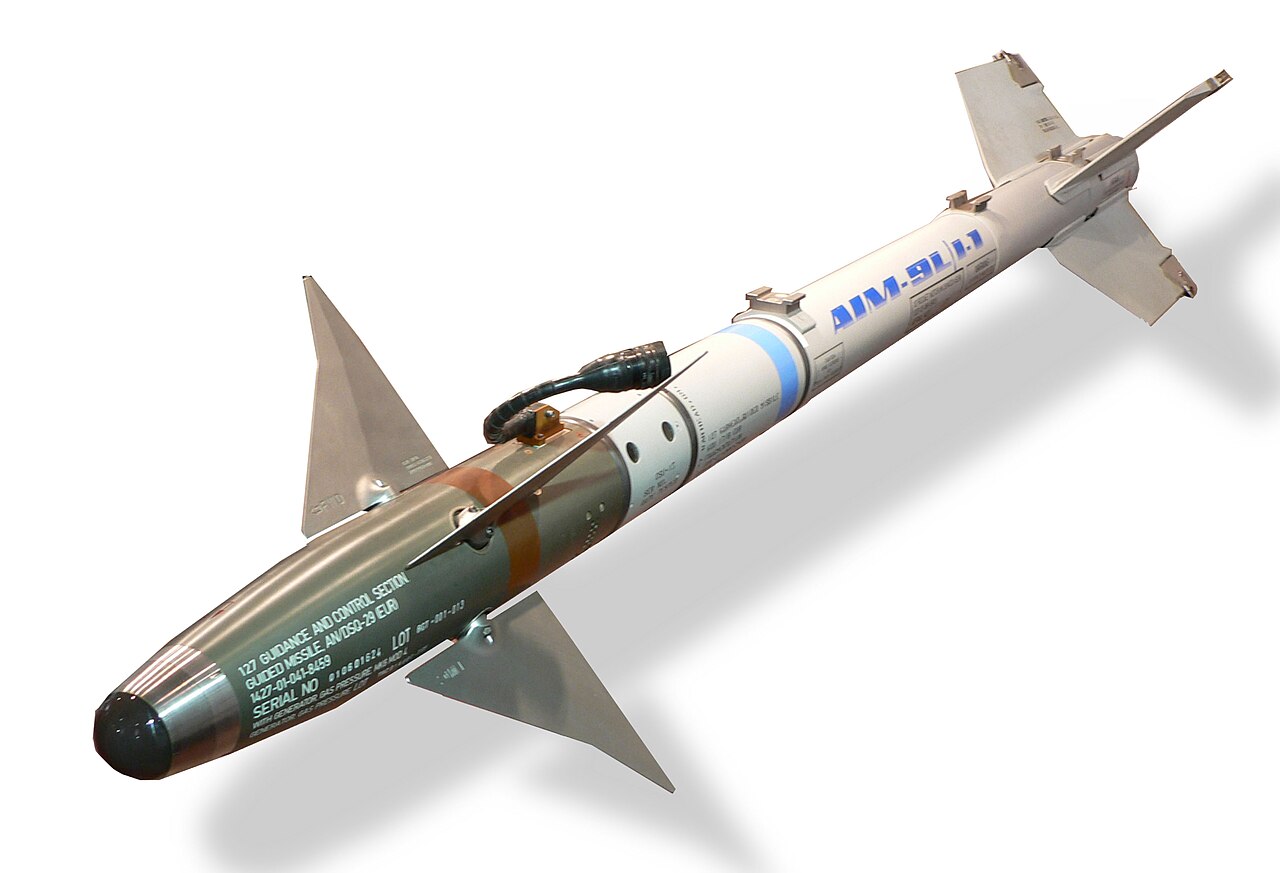
- Missile's Sensory Perception: Integrated within the missile's nose is a highly sensitive laser seeker head. This advanced sensor is specifically designed to detect and process the reflected laser energy emanating from the target. The seeker continuously determines the precise direction and angle from which the laser beam is arriving.
- Guidance and Course Correction: The information gathered by the seeker head is fed into the missile's sophisticated guidance system. This internal computer dynamically adjusts the missile's flight path in real-time. Utilizing its control surfaces (fins), the missile constantly maneuvers itself to stay centered on the reflected laser energy. These continuous, minute corrections ensure that the missile remains steadfastly locked onto its target, even if the target is moving.
- Precision Impact: The missile meticulously follows the "painted" target until it achieves a precise strike. It is critical that the laser designator maintains continuous illumination of the target until the missile makes impact. This sustained guidance ensures an exceptionally high hit probability against both stationary and mobile targets. For a deeper dive into this intricate process, consider reading How Laser-Guided Missiles Work: Precision Strike Technology.
A crucial advantage of laser guidance, as noted by DefenceTurk, is the ability to send beams with different coding. This prevents unintended targeting if multiple laser sources are present or if an adversary attempts to "spoof" the system with their own laser, ensuring the missile only responds to its designated, coded signal.
Beyond the Basics: Types, Applications, and Strategic Impact of Laser Guidance
While the fundamental principles of laser guidance remain consistent, Lazer Güdümlü Füze systems encompass a broad spectrum of types, launched from diverse platforms and designed for varied applications. These weapons are a cornerstone of the broader category of "Precision-Guided Munitions" (PGM), offering distinct advantages in modern combat:
- Air-to-Ground Missiles: Among the most prevalent types, these are launched from aircraft, helicopters, or UAVs. They are exceptionally effective against both static and moving ground targets. The AGM-114 Hellfire, for instance, is a well-known example, widely used against armored vehicles and tanks, demonstrating the devastating effectiveness of laser guidance against hardened targets.
- Ground-to-Ground Missiles: While less common than their air-launched counterparts, some Anti-Tank Guided Missiles (ATGMs) also employ laser guidance. These are typically launched from man-portable systems or vehicle-mounted launchers, enabling ground operators to engage armored threats with pinpoint accuracy.
- Guided Bombs (Laser JDAMs): Laser guidance isn't exclusive to missiles. Many general-purpose bombs can be retrofitted with guidance kits (like the Paveway series or Laser JDAMs) that incorporate a laser seeker, transforming them into precision weapons. This cost-effective approach dramatically enhances the strike capability of existing munition stockpiles.
The strategic advantages of laser-guided munitions are profound. Their high accuracy dramatically reduces the risk of collateral damage, making them invaluable in urban environments or when protecting specific infrastructure. This precision not only saves lives but also carries significant political and ethical weight, allowing militaries to achieve objectives with minimal disruption to civilian life. Furthermore, their effectiveness against high-value moving targets, such as tanks or fast-moving vehicles, makes them a critical asset in dynamic combat scenarios.
However, Lazer Güdümlü Füze systems are not without their limitations. As the DefenceTurk source highlights, their operational effectiveness can be severely hampered by adverse weather conditions. Dense fog, heavy rain, or thick smoke can obscure the laser spot or interfere with the seeker's ability to detect the reflected energy, rendering the system less effective or even unusable. Additionally, the need for continuous target illumination means that the laser designator must remain exposed and maintain line-of-sight to the target until impact, which can expose the designator operator to risk. For more details on these aspects, explore Laser-Guided Missiles: Applications, Advantages & Limitations.
The Enduring Impact and Future Trajectories of Precision Guided Munitions
The advent of laser-guided missile technology has undeniably been a game-changer in military strategy, fundamentally altering the calculus of engagement and minimizing the broader consequences of conflict. By enabling surgical strikes, these systems reduce the overall footprint of warfare, diminish civilian casualties, and preserve non-military infrastructure. This precision not only enhances operational effectiveness but also carries significant moral and political advantages, bolstering international standing and demonstrating a commitment to responsible use of force.
Looking ahead, the evolution of precision-guided munitions continues at a rapid pace. Future developments are likely to focus on enhancing all-weather capabilities, potentially through the integration of multi-mode seekers that combine laser guidance with other forms of targeting, such as GPS/INS or millimeter-wave radar. Miniaturization of laser designators and seekers will further expand their deployment on smaller, more agile platforms, including advanced drones. Furthermore, advancements in autonomous targeting and artificial intelligence could lead to even more sophisticated systems, capable of identifying and prosecuting targets with minimal human intervention, while still adhering to strict rules of engagement.
In conclusion, the Lazer Güdümlü Füze stands as a powerful symbol of military technological advancement. Its ability to deliver surgical strikes with unprecedented accuracy has not only redefined modern combat but also set a new standard for ethical warfare. As technology continues to evolve, these precision instruments will undoubtedly remain at the forefront of defense capabilities, ensuring that future conflicts are fought with ever-increasing effectiveness and responsibility.